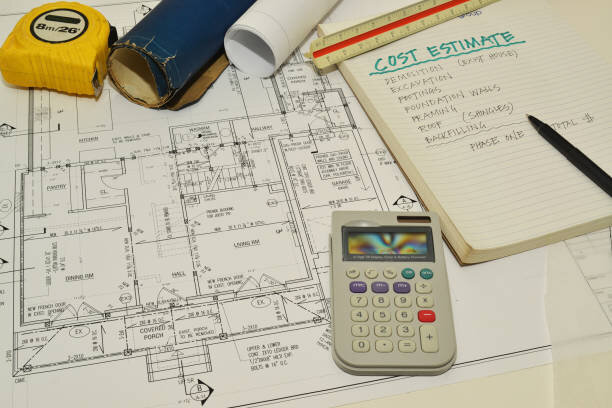
In today’s competitive digital landscape, building a successful website requires more than attractive design and modern tools. It demands structured planning, efficient resource management, and a clear understanding of project costs. Platforms like Flazio make it easier for businesses and individuals to create professional websites, but without proper planning, even the best tools cannot guarantee success. Applying cost estimation principles to digital projects can significantly improve workflow, reduce risks, and ensure timely delivery.
Understanding the Role of Estimation in Digital Projects
Website development is a multi stage process that includes planning, design, development, testing, and launch. Each stage involves different resources such as time, skills, and tools. Without accurate estimation, it becomes difficult to manage these elements effectively.
Many professionals adopt methods similar to construction estimator services to break down project requirements into smaller, manageable tasks. This approach helps in identifying how much effort each phase requires and ensures that no part of the project is overlooked. By understanding the full scope early, developers can avoid confusion and maintain a steady workflow.
Defining Clear Project Scope and Requirements
A clear project scope is the foundation of any successful website. It includes the number of pages, features, integrations, and overall design goals. Without proper scope definition, projects can quickly become disorganized and exceed both time and budget limits.
Estimation helps in translating ideas into practical plans. For example, an eCommerce website requires product pages, payment integration, and user account features, all of which need to be planned in advance. When these elements are estimated correctly, it becomes easier to allocate resources and set realistic deadlines.
Clear scope also improves communication between clients and developers. It ensures that expectations are aligned and reduces the chances of major revisions later in the project.
Efficient Resource Management and Time Allocation
Managing resources effectively is essential for delivering high quality websites. This includes assigning the right tasks to the right people and ensuring that deadlines are achievable. Estimation plays a key role in this process by providing a clear understanding of how much time and effort each task requires.
When teams know their responsibilities and timelines, they can work more efficiently and avoid unnecessary delays. This structured approach also helps in balancing workloads, ensuring that no team member is overburdened while others remain underutilized.
In the middle of complex projects, developers often rely on preliminary estimating services to reassess progress and adjust plans when needed. This flexibility allows teams to handle changes without disrupting the entire workflow.
Improving Productivity Through Structured Workflow
A well estimated project leads to a more organized and productive workflow. Tasks are divided into smaller segments, making them easier to manage and track. This helps developers stay focused and complete their work more efficiently.
Structured workflows also allow project managers to monitor progress and identify potential issues early. If a particular stage is taking longer than expected, adjustments can be made to keep the project on track. This proactive approach reduces stress and ensures smooth project execution.
For freelancers and agencies, improved productivity means faster delivery and better client satisfaction. It also allows them to take on more projects without compromising quality.
Balancing Creativity with Budget Constraints
Creativity is an essential part of website development, but it must be balanced with budget limitations. Clients often want visually appealing websites with advanced features, but not all ideas are practical within a given budget.
Estimation helps prioritize features that provide the most value. For example, focusing on user experience and responsive design can have a greater impact than adding unnecessary visual elements. By making informed decisions, developers can deliver high quality websites without exceeding financial limits.
This balance between creativity and cost efficiency is crucial for long term success in the digital industry.
The Role of Technology in Modern Estimation
Modern tools and technologies have made estimation more accurate and efficient. Website builders, project management software, and analytics tools provide valuable data that can be used to improve planning.
Platforms like Flazio simplify the design process, but estimation ensures that these tools are used effectively. By analyzing past projects, developers can understand how long tasks typically take and refine their estimation strategies.
This data driven approach reduces guesswork and helps teams make better decisions, leading to more predictable outcomes.
Long Term Benefits of Accurate Planning
Investing time in accurate estimation offers long term benefits for both developers and clients. Projects that are well planned are more likely to be completed on time and within budget. This builds trust and strengthens professional relationships.
For businesses, a well executed website can start generating traffic and revenue without delays. It also reduces the need for frequent revisions and maintenance, saving time and resources in the future.
Accurate planning also enhances reputation. Developers who consistently deliver projects as promised are more likely to gain repeat clients and positive referrals.
Conclusion
Website development is not just about design and functionality. It is about planning, organization, and efficient use of resources. By applying estimation techniques, developers can improve workflow, enhance productivity, and deliver high quality results within budget.
In a fast evolving digital world, the ability to plan accurately is a valuable skill. Whether working on simple websites or complex platforms, structured cost planning ensures that every project is completed with clarity, efficiency, and success.


